

Teams exploring Akamai microsegmentation want clarity on how the model handles workloads, lateral movement, and internal security controls beyond what a firewall can offer. This article looks at how Akamai Guardicore segmentation works, the challenges engineers face when deploying it, and what security leaders weigh when comparing it with other Zero Trust approaches.
Definition and scope of Akamai microsegmentation
Akamai Guardicore segmentation establishes how microsegmentation operates across hybrid cloud, cloud environments, and on-premises systems. The approach includes agent-based controls for granular microsegmentation policies and agentless options for workloads where installation is not possible. These methods support Zero Trust goals with real-time enforcement aligned to How Microsegmentation Works: A Zero Trust Security Approach. Guidance from Akamai, such as Segmentation from a Practical Perspective, outlines how the model shapes segmentation policies and network security across data center workloads.
Security teams apply these policy controls to manage network traffic, limit lateral movement during cyberattacks, and use threat intelligence to reduce vulnerability exposure for critical assets. The framework supports visualization of dependencies, consistent security posture across operating systems, virtual machines, and IoT devices, and permissions that help ringfence critical applications in complex IT environments.
Operational challenges in Akamai microsegmentation deployments
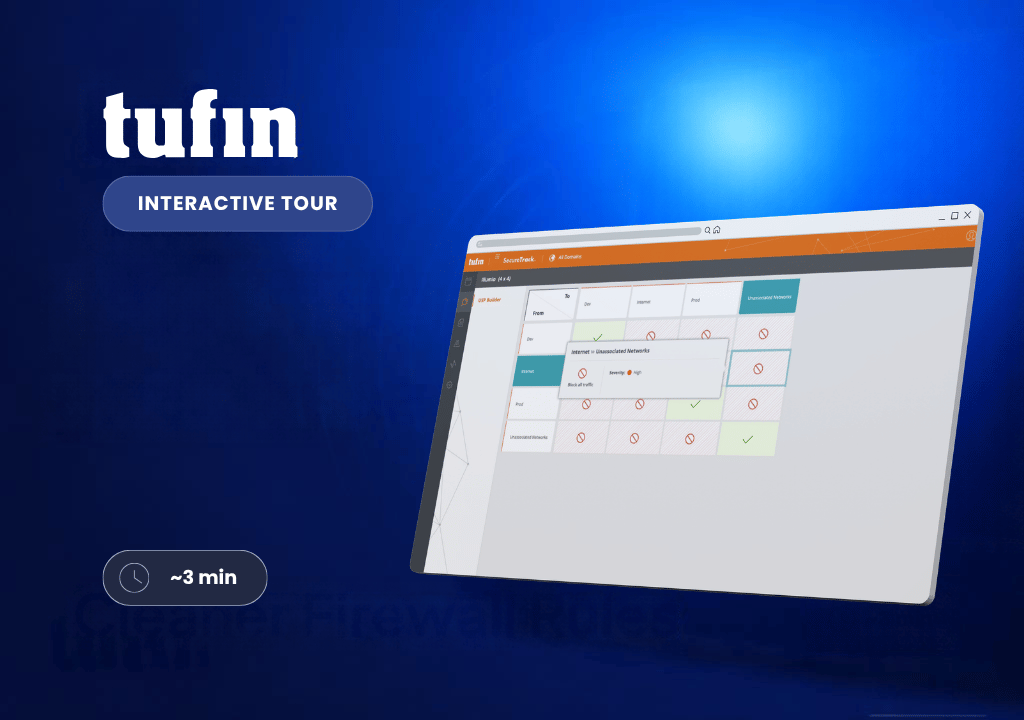
Teams adopting Akamai microsegmentation often spend significant time shaping segmentation policies that balance granular control with the realities of cloud environments and on-premises systems. The workload increases when workloads rely on different operating systems or when data center dependencies shift faster than security policies can adapt. Visibility gaps also appear during early segmentation projects, especially when security teams must analyze network traffic across hybrid cloud environments through platforms like the Tufin Orchestration Suite.
Another challenge concerns the ongoing debate over firewall logic versus microsegment enforcement. Engineers want to know how real-time controls respond when network security conditions change and whether segmentation policies can stop lateral movement more effectively than traditional firewall rules. These comparisons shape incident response expectations and how organizations evaluate their broader cybersecurity posture.
Limitations arise when organizations rely solely on VLAN-based network segmentation in cloud environments or data center architectures. Content such as Comparing the Benefits of Microsegmentation vs. VLANS outlines how VLANs can leave room for cyberattacks, ransomware movement, or malware spread when critical assets are not ringfenced. Engineers assessing Akamai Guardicore segmentation look for ways to reduce the attack surface while still supporting business needs across diverse IT environments.
Key evaluation factors for teams researching segmentation
Teams assessing whether microsegmentation is worth the effort often start by reviewing how a model supports real-time changes across cloud environments and on-premises architecture. They look for segmentation policies that adapt to shifting dependencies, handle network traffic without slowing critical applications, and reduce the attack surface as workloads expand. These expectations shape how organizations align microsegmentation with Zero Trust requirements and broader cybersecurity goals, informed in part by industry views such as the Gartner Market Guide.
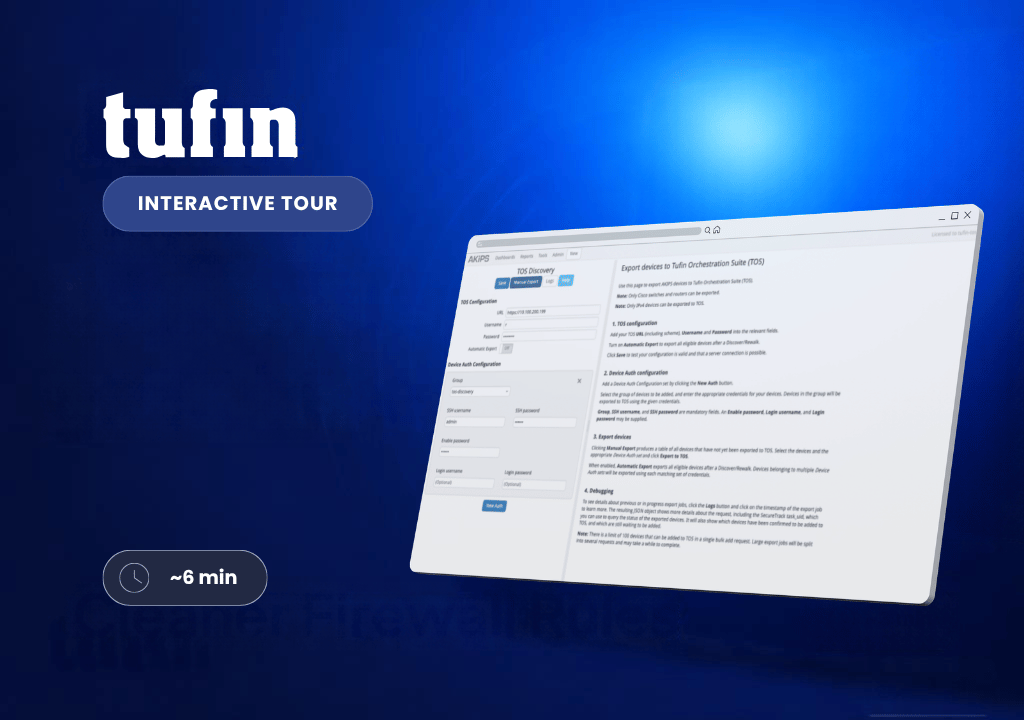
Evaluation also depends on how microsegmentation performs across different use cases and IT environments. Engineers expect predictable behavior during cyberattacks, ransomware attempts, and malware events, along with support for incident response across operating systems and virtual machines. Platforms like the Tufin Orchestration Suite help security teams manage their segmentation projects to maintain consistent policy controls across on-premises, cloud, SASE and microsegmentation technologies through a single control plane.
Another factor is how well a microsegmentation solution manages security policies in hybrid cloud environments where workloads shift without warning. Teams study examples such as Kubernetes IngressNightmare: Wake Up and Fight Back with Microsegmentation to understand where firewall rules or traditional network segmentation may fail to contain lateral movement. This analysis helps organizations compare Akamai Guardicore segmentation with other security solutions based on threat detection reliability, threat hunting workflows, and automation support.
Security teams usually look to Akamai’s training, documentation, and introductory architecture notes to understand what it takes to keep segmentation policies operational over time. They also check how the microsegmentation solution handles granular control, least-privilege rules, and visualization across hybrid cloud and on-premises systems, as these details indicate whether it fits their business needs and overall security posture.
Considerations for segmentation planning
Teams planning segmentation work focus on how their architecture shapes east-west traffic control across hybrid cloud and cloud computing environments. They look at how a microsegmentation solution applies least-privilege rules, policy controls, and visualization to support their workloads without creating gaps in threat detection or exposing critical applications to malware or lateral movement. Understanding these architectural differences helps organizations decide how to reduce attack surface and align segmentation choices with business needs. To explore how these considerations can fit into your environment, you can get a demo.
Frequently asked questions
What does Akamai microsegmentation aim to solve for security teams?
Akamai microsegmentation helps teams tighten east-west control by limiting communication paths that don’t need to exist in the first place. It gives organizations a clearer handle on internal movement without relying only on broad perimeter controls.
You can see how this compares in Zero Trust vs Micro-Segmentation: The Modern Network’s Security Playbook.
How does Akamai microsegmentation differ from traditional firewall strategies?
Akamai microsegmentation applies rules closer to the workload, while a firewall manages traffic at the perimeter and may not address internal traffic. This difference gives teams more precision when they need stronger boundaries inside complex environments.
You’ll find more detail in Top Five Micro-segmentation Strategies for Large, Hybrid Enterprises.
When is Akamai microsegmentation most helpful in hybrid or cloud-focused environments?
Akamai microsegmentation is useful when teams want consistent internal controls across cloud layers and on-premises systems. It helps align traffic patterns with security expectations as environments shift and grow.You can explore similar guidance in Zero Trust Defines the Intent. Segmentation Brings It to Life.
Ready to Learn More
Get a Demo